
Discover the Future of Beverage Customization with Coffee Printers
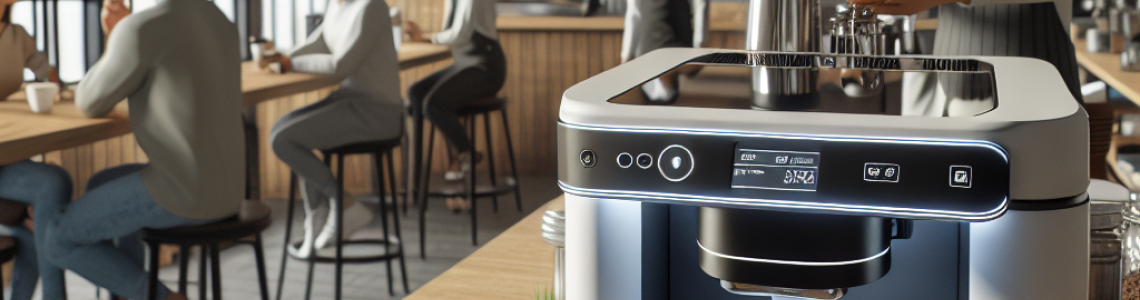
In recent years, the world of coffee has seen a remarkable transformation beyond traditional brewing methods. One of the most innovative advancements is the introduction of coffee printers. These sophisticated devices are redefining the way coffee lovers experience their favorite beverage by allowing them to add intricate designs, logos, and personalized messages directly onto the surface of their coffee. The integration of printing technology into coffee crafting offers a unique blend of art and science, making each cup a works of art. Whether it's for cafes looking to wow customers or individuals wanting customized coffee at home, coffee printers are an exciting development in the beverage industry.
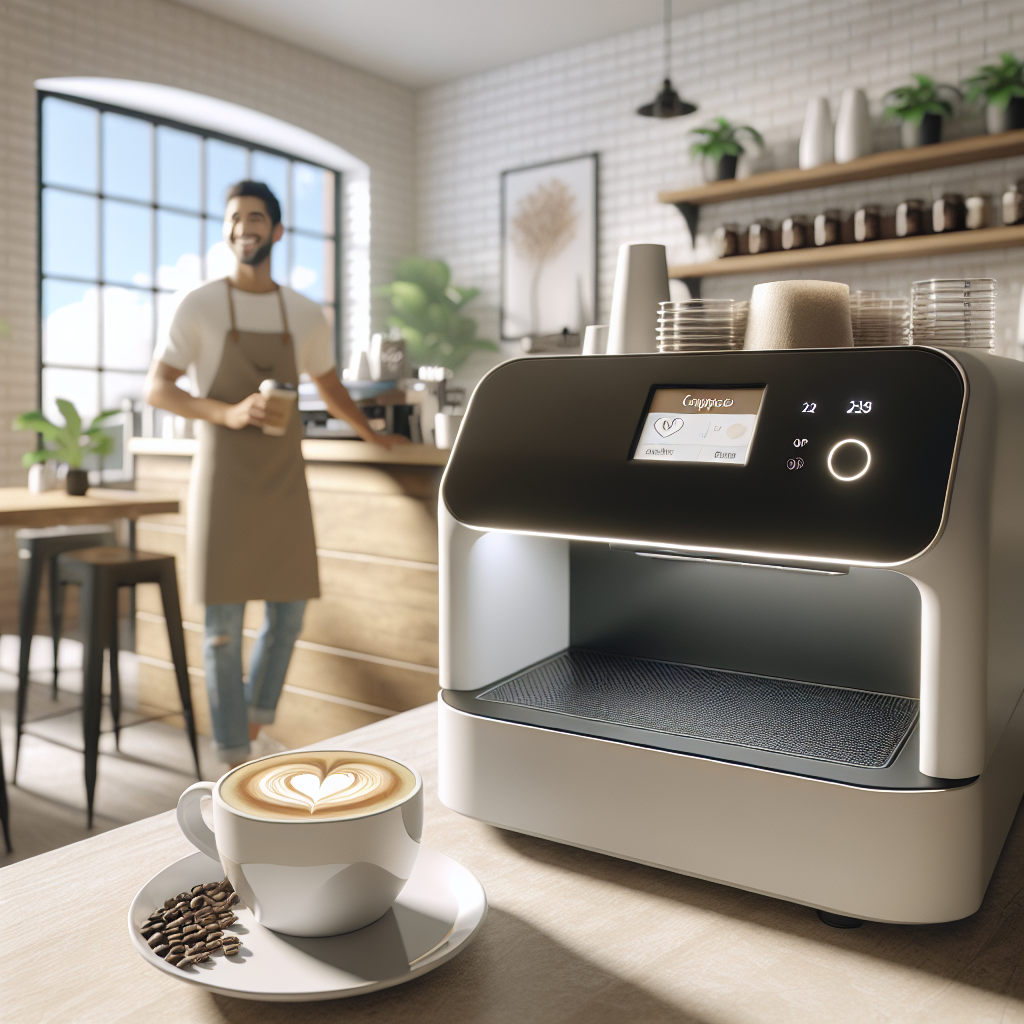
The technology behind coffee printers involves a specialized system that applies edible inks onto the foam or crema of a freshly brewed coffee. These printers utilize advanced micro-jet printing methods that produce high-resolution images in seconds. Users can upload images or designs via simple software interfaces, making it incredibly user-friendly. The possibilities are virtually endless—from branding for promotional events to artistic illustrations that elevate the visual appeal of every cup. This innovation not only enhances customer satisfaction but also provides new avenues for marketing and branding for coffee shops worldwide. The ability to personalize each cup creates memorable experiences that foster loyalty and encourage social sharing on platforms like Instagram and TikTok.
Furthermore, the integration of coffee printers into the café environment streamlines the process of creating detailed coffee art, historically crafted by skilled baristas. Now, even those with minimal training can produce visually stunning coffee designs effortlessly. This democratization of coffee art means higher productivity and consistently high-quality presentations, setting a new standard across the industry. Additionally, with ongoing advancements, coffee printers are becoming more compact and affordable, making them accessible for small businesses and even home enthusiasts. Imagine celebrating special occasions with personalized coffee creations or impressing guests with custom coffee designs at dinner parties—these devices make such ideas attainable. As the technology continues to evolve, we can expect even more features like multi-color printing and automated design customization, further expanding creative possibilities.
The impact of coffee printers extends beyond aesthetics—they also enhance the overall coffee experience by fostering engagement and interaction. Customers are increasingly drawn to businesses that offer unique and Instagram-worthy products, and coffee printers provide just that. For coffee brands aiming to differentiate themselves in a competitive market, investing in printing technology can turn an ordinary cup into a marketing tool. Moreover, the environmental aspect is also notable; many coffee printers use edible, biodegradable inks that are safe for health and eco-friendly. As demand for personalized and artisanal coffee grows, embracing innovative solutions like coffee printers can offer a significant edge. From special event branding to everyday coffee enjoyment, these devices are paving the way for a future where every cup tells a story.
In conclusion, the emergence of coffee printers marks an exciting chapter in the evolution of coffee culture. By combining printing technology with traditional brewing, they enable unprecedented levels of personalization, creativity, and branding possibilities. Whether you are a café owner, a barista, or a dedicated coffee enthusiast, adopting a coffee printer can elevate your offerings and delight your patrons. To explore a range of options, visit the product page at GNFEI's Coffee Printer Printing Machine and discover how this innovative device can transform your coffee experience today. The future of coffee is not just about taste but also about visual storytelling—make your mark with coffee printing technology.
Leave a Comment